Selling a Townhome in Seattle: How to Stand Out in a Crowded Market
Selling a Townhome in Seattle: How to Stand Out in a Crowded Market
Ballard and Fremont are full of townhomes that look nearly identical online. Here's how you sell the one that doesn't blend in.
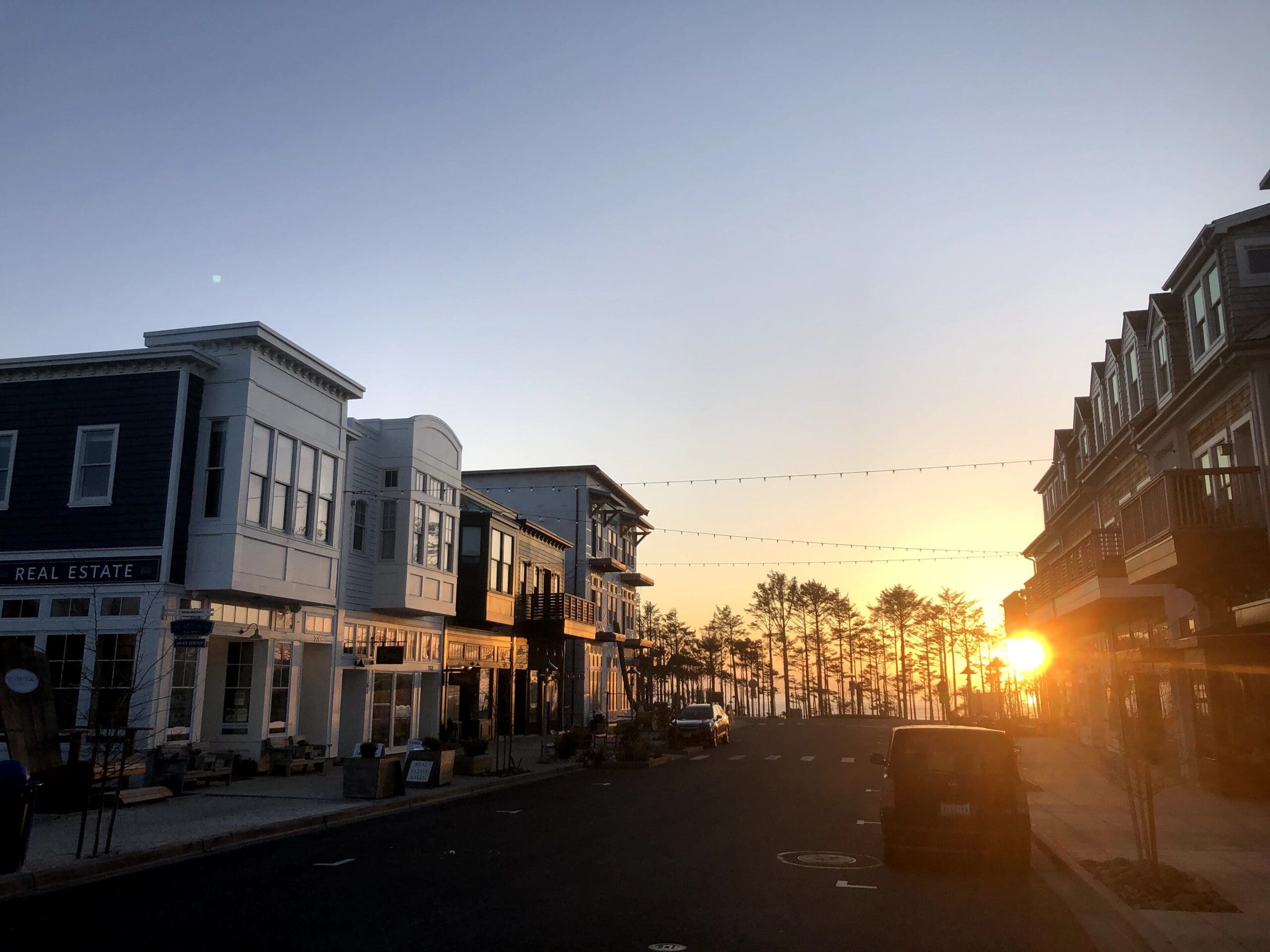
Seattle is full of townhomes. Walk down almost any block in Ballard or Fremont and you'll see it: a single-family lot that used to hold one house now holds three, four, sometimes eight skinny townhomes standing shoulder to shoulder. It happened fast, and it happened almost everywhere.
That's actually a great thing for buyers. It gave a lot of first and second-time buyers a real path into neighborhoods that would otherwise price them out completely. I know that firsthand. I was one of those buyers myself, in a West Seattle townhome, before I ever had a real estate license. I understood the trade-offs before I ever had to explain them to a client.
But here's the part nobody warns you about when you're buying: someday you'll be selling. And when you go to sell a townhome in a neighborhood like Ballard or Fremont, you're not just competing with the townhome next door. You're competing with the eight units that look almost exactly like yours, in the same three finish packages, built by the same handful of developers, photographed the same way for the same MLS template.
So how do you stand out when the floor plan, the finishes, and even the listing photos all start to blur together? Here's what I would say about that. You stop selling the house. You start selling the life the buyer gets to live in it.
Inventory counts, list prices, and days-on-market figures shift week to week. Figures above reflect Redfin data pulled in July 2026. Always confirm current numbers against live NWMLS data before making a pricing decision.
The Skinny House Problem
Here's the skinny on what happened to a lot of Seattle's close-in neighborhoods over the last fifteen years. A single-family lot that once held one house got subdivided, and where there used to be one roofline, there are now three or four, sometimes stacked eight units deep on what used to be a double lot. Ballard and Fremont got hit with this transformation about as hard as any neighborhoods in the city.
The result is genuinely good for buyers. It created inventory in neighborhoods that would otherwise be entirely single-family and entirely out of reach for a lot of first-time and second-time buyers. And that's amazing. I'm not here to complain about it. I lived it.
But it also created a resale problem that most sellers don't see coming until they're the ones listing. When six or eight nearly identical units come to market in the same corridor, on the same block or the block next to it, with the same builder finishes and the same three-story layout, your listing has to do more work to separate itself. Full stop.
Why Townhomes Resell Better Than Condos
I get this question a lot from clients weighing a townhome purchase against a condo: which one holds up better at resale? My honest answer, based on what I've seen play out with my own clients and my own portfolio, is the townhome, and it's not close.
Townhomes generally have a bigger buyer pool than condos. Buyers who want a condo are a specific group. Buyers who want a townhome overlap with condo buyers, single-family buyers stretching their budget, and buyers coming from out of state who are used to attached housing and don't think twice about it. That's a wider net.
Equity building tends to follow. I've seen townhome owners in Seattle fetch meaningfully more at resale than they paid, in a shorter hold period than they expected, precisely because that wider buyer pool creates real competition when the listing is done right. Condos, by contrast, are fighting HOA reserve concerns, rental cap restrictions, and lending overlays that scare off a chunk of otherwise-qualified buyers before they even tour.
None of that means a townhome sells itself. It means you have a structural advantage walking in. What you do with it is still on you.
Why They All Look the Same Online
Open the MLS map in Ballard right now and count the listing photos. Quartz counters. White oak floors. A rooftop deck shot at golden hour. A kitchen island with three pendant lights. It's not that these builders lack taste. It's that they're all pulling from the same finish packages, the same subcontractors, and in some cases the same architect. The result is a sea of listings that, on a phone screen, are functionally interchangeable.
That's the real problem you're solving for when you list a townhome in a corridor like Ballard or Fremont. It's not a staging problem or a photography problem in isolation. It's a differentiation problem. And differentiation doesn't come from the counters. It comes from the place.
After a buyer tours six nearly identical townhomes in one Saturday, they don't remember the counters. They remember the one where they could picture their actual life happening. That's the gap your listing needs to close.
Selling a Townhome in Seattle, Sell the Neighborhood, Not Just Square Footage
As an agent, here's the shift I make with every seller listing a townhome in a dense corridor: we stop marketing the house in isolation and we start marketing the three blocks around it. Because that's actually what the buyer is purchasing. Nobody moves to Ballard for the quartz. They move to Ballard for the Ballard Farmers Market on Sundays, the Locks, the walk to the water, and the fact that they can leave the car parked all weekend and still get everywhere they need to go.
The same is true a mile down the Ship Canal in Fremont. The Troll, the Sunday market, the Burke-Gilman Trail running right through the neighborhood's front door, the walk to Gas Works Park. Fremont buyers are shopping for a personality as much as a property. If your listing photos and copy only talk about the house, you're leaving the actual reason someone wants to live there completely off the table.
Marketing the corridor, not just the unit
When I list a townhome in a place like Ballard or Fremont, the listing description and the photo sequence both open with the neighborhood before they open with the square footage. A short walk to the named coffee shop. The farmers market schedule. The actual walking route to the trail or the water. Buyers touring six lookalike units remember the one that gave them a Saturday morning, not the one that gave them a spec sheet.
- Open the listing description with the walk, the coffee shop, or the market, not the bed and bath count
- Include a lifestyle photo in the sequence, taken on the actual block, not a stock shot of the neighborhood
- Name the specific walk time to the amenities that matter, not a generic "close to everything"
Stage the Lifestyle, Not Just the Rooms
Now here's the part I ask sellers to actually think through, not just delegate to a stager on autopilot. If your buyer is someone who wants to live in Ballard or Fremont specifically, what does their actual life look like inside your home? That's a different question than "does this room look nice."
A buyer drawn to Fremont is probably walking or biking to work along the Burke-Gilman. Stage the entry with that in mind. A hook for the helmet. A spot for the bike that doesn't require an apology. A buyer drawn to Ballard on a Sunday morning wants the version of the home where the farmers market haul comes home to a kitchen that's ready for it. Stage toward that life, not toward a generic magazine spread that could belong to any city in the country.
This is where I'd tell you as a seller to think differently than most staging advice you'll find online. Don't stage a house. Stage the specific Saturday your specific buyer wants to have. That's what makes a listing memorable in a market where six other units down the block are staged from the exact same neutral playbook.
Listing a Townhome in Ballard, Fremont, or Anywhere Else in the City?
Let's walk the block together before we ever set a price. The lifestyle sells the listing. I'll help you find it.
Talk to Aaron Read: Staging That SellsWhat the Ballard and Fremont Market Actually Looks Like Right Now
As of July 2026, there are 37 active townhomes on the market in Ballard, with a median list price around $849K and a median of roughly 76 days on market, according to Redfin. That days-on-market figure is worth sitting with. It's not a market where a generic listing coasts to a fast sale on inventory scarcity alone.
Fremont is running a tighter but still meaningful inventory picture, with 17 active townhomes listed at a median price near $880K, per Redfin, and listings there are drawing an average of roughly two offers apiece. That's healthier than Ballard's current pace, but it's still a market where the listing that differentiates wins the better offer, not just any offer.
Both neighborhoods continue to draw steady demand from tech-commuter buyers working in South Lake Union and Redmond, and that demand base isn't going anywhere. What's changed is the sheer number of similar-looking options competing for that same buyer's attention. Pricing correctly still matters more than anything else. But once you're priced right, differentiation is what moves you from the middle of the pack to the top of the buyer's list.
Selling a townhome in a dense corridor like Ballard or Fremont means accepting that your listing photos will look similar to several others on the same street. Winning the sale anyway comes down to marketing the neighborhood as hard as the home, and staging the specific life your buyer wants to live there. Price it right, sell the place, not just the property, and the differentiation takes care of the rest.
Frequently Asked Questions
How do I sell a townhome in a neighborhood with a lot of similar townhomes?
Sell the neighborhood as hard as the home itself. In corridors like Ballard and Fremont, where six or eight townhomes on the same block often share similar finishes and floor plans, differentiation comes from marketing the walk to the coffee shop, the farmers market, the trail, or the water, not from the countertops. Staging should reflect the specific lifestyle your likely buyer wants to live, and listing photos and copy should open with the block and the neighborhood before they open with the square footage.
Do townhomes sell better than condos in Seattle?
Yes, townhomes generally have an easier resale path than condos in Seattle. Townhomes draw from a wider buyer pool that includes condo buyers, single-family buyers stretching their budget, and out-of-state buyers accustomed to attached housing. Condos face additional resale friction from HOA reserve health, rental cap restrictions, and lending overlays that can eliminate otherwise-qualified buyers before they tour. A wider buyer pool for townhomes tends to translate into stronger equity growth and a more competitive resale process, though pricing and condition still matter in either case.
What is the current townhome market like in Ballard and Fremont?
As of July 2026, Ballard has approximately 37 active townhomes on the market with a median list price near $849K and a median of about 76 days on market, according to Redfin. Fremont has roughly 17 active townhomes listed with a median price near $880K, drawing an average of about two offers per listing. Both neighborhoods continue to see steady demand from tech-commuter buyers, but the volume of similar-looking inventory means well-differentiated, well-priced listings outperform generic ones. Current figures should always be confirmed against live NWMLS data before setting a listing price.
How should I stage a townhome to help it sell faster?
Stage toward the specific lifestyle your likely buyer wants, not toward a generic neutral look that could belong to any city. A townhome near the Burke-Gilman Trail in Fremont should stage its entry for a biking or walking commuter, with a place for a helmet and bike that doesn't feel like an afterthought. A townhome near the Ballard Farmers Market should stage its kitchen for a buyer who wants Sunday mornings there. The goal is helping the buyer picture their actual week happening inside the home, which matters more in a market where several nearly identical units are competing for the same buyer's attention.
Why are there so many townhomes in Ballard and Fremont?
Over roughly the last fifteen years, many single-family lots in close-in Seattle neighborhoods like Ballard and Fremont were subdivided and redeveloped into multiple attached townhomes, sometimes turning one lot that held a single house into three, four, or as many as eight units. This created meaningfully more entry-level and second-time-buyer inventory in neighborhoods that would otherwise be almost entirely single-family and priced well beyond reach for many buyers. The tradeoff is that resale listings in these corridors often compete against several visually similar units on the same block.
Listing a Townhome in Ballard, Fremont, or Anywhere in Seattle?
Let's talk about what makes yours different before we ever put a sign in the yard. That's where the real pricing and marketing strategy starts.
Talk to Aaron