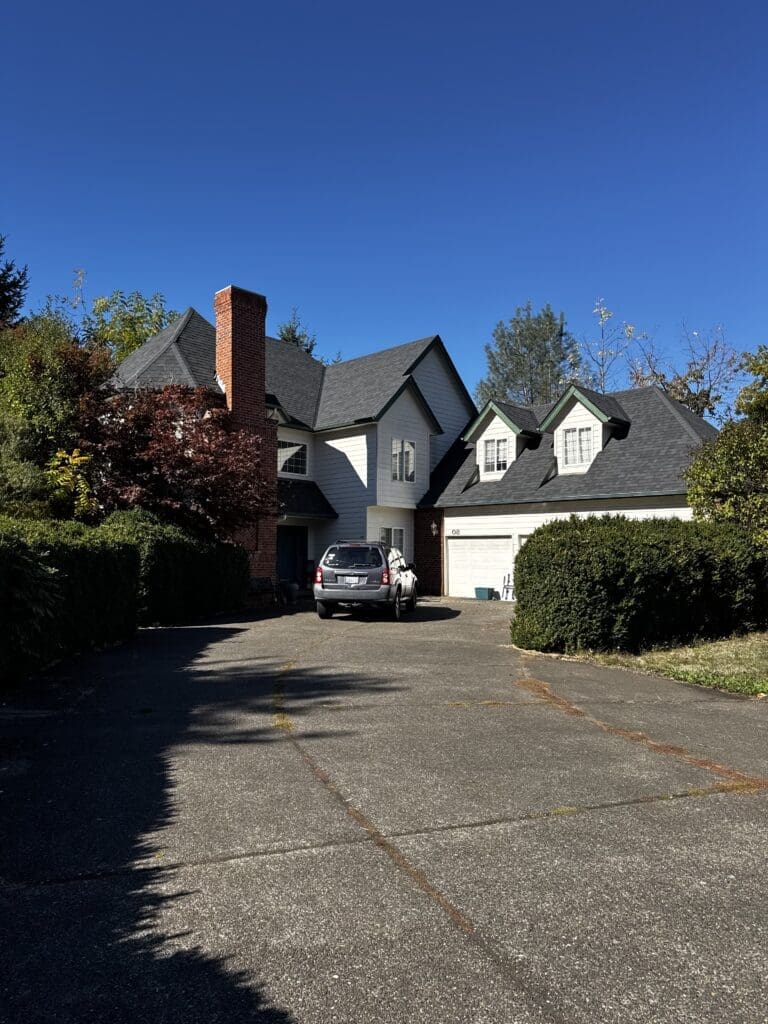
Buying a Fixer-Upper in Beacon Hill: What to Know Before You Renovate
Buying a Fixer Upper in Beacon Hill: What to Know Before You Renovate
HGTV gives you thirty minutes and a montage. I've actually flipped a house. Here's what buying a fixer upper in Beacon Hill really costs, in time, money, and patience, before you make an offer.
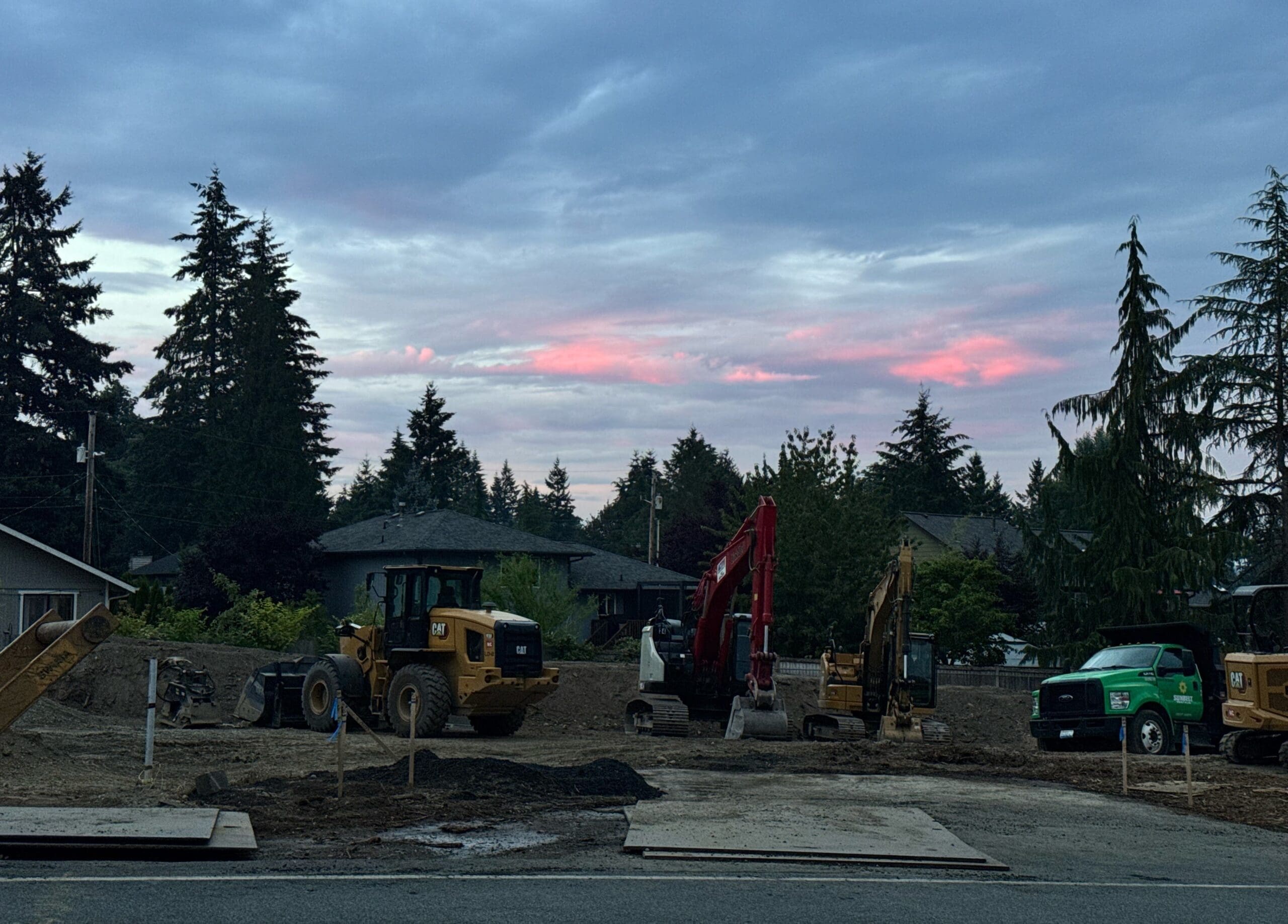
A lot of HGTV enthusiasts love the idea of buying a fixer upper in Beacon Hill. And what's not to love? You get a house for less. You put money and sweat equity into it, and then you sell it for more with guaranteed equity, right?
Well, as someone who has actually flipped a house before, I can tell you there's a real difference between the romanticized thirty-minute television version and the knee-deep-in-urine-stained-carpet-in-a-dank-basement reality. Renovation is not for the faint of heart or the thrifty. It can be time-consuming, gross, long, messy, and very expensive.
It's also one of the greatest things I've probably ever done, as a project. And Beacon Hill, with its concentration of early 1900s Craftsman bungalows and Seattle box houses, is exactly the kind of neighborhood where a well-chosen fixer-upper can build real equity, if you go in with your eyes open about what you're actually signing up for. (If you're still on the fence about the location, check out the neighborhood guide I've written on why Beacon Hill is worth a serious look).
Figures per City of Seattle historic records, SDCI, HUD, and 2026 market-rate remodel cost data as cited throughout. Renovation costs are market ranges, not guarantees, and vary by home condition, scope, and contractor availability. Always get a licensed contractor's specific bid before budgeting a project.
Why Beacon Hill's Housing Stock Matters Here
Most of Beacon Hill's homes, especially in North Beacon Hill, were built in the early 1900s, and the majority of the neighborhood's housing stock predates 1940, per the City of Seattle's own historic survey work. That means a lot of genuinely charming Craftsman bungalows and Seattle box houses with deep front porches, tapered columns, and good bones. It also means a lot of homes built before modern electrical code, before modern plumbing code, and in some cases before anyone thought carefully about how a house sits on a hillside.
Here's what that means practically for a fixer-upper buyer: expect to budget for knob-and-tube wiring replacement, aging galvanized or cast iron plumbing, and a real look at foundation and drainage conditions on sloped Beacon Hill lots. None of that should scare you off. It should just be priced in from the beginning, not discovered after closing.
On a pre-1940 Beacon Hill property, a general home inspection isn't enough. Bring in a structural engineer for hillside foundation concerns, and ask specifically about knob-and-tube wiring, galvanized plumbing, and whether the drain lines meet current 2-inch code, since many older Seattle homes still have 1.5-inch drains that trigger a full plumbing permit the moment you touch them.
How to Actually Pay For It
Most first-time fixer-upper buyers don't realize you can finance the purchase price and the renovation cost together, in a single loan, instead of buying the house first and then scrambling to fund the work separately. Two products come up the most.
| Feature | FHA 203k | Fannie Mae HomeStyle |
|---|---|---|
| Minimum down payment | 3.5% | 3% to 5% |
| Typical minimum credit score | 580 | 620 |
| Property use | Primary residence only | Primary, second home, or investment property |
| Mortgage insurance | Required for the life of the loan in most cases | Removable once you reach 20% equity |
| Project restrictions | Excludes luxury items like pools and outdoor kitchens | Few restrictions; most improvements permanently affixed to the property qualify |
The 203k tends to be the more accessible entry point if your credit is in the 580 to 619 range. The HomeStyle loan tends to make more sense once your credit clears 620, especially if you're eyeing this as an eventual rental rather than a forever home, since it's the only one of the two that allows investment property use. Either way, this is a conversation to have with a lender who specializes in renovation loans specifically, not a generalist, since the underwriting and draw process for both products is genuinely different from a standard mortgage.
The Permits Nobody Warns You About
This is the part of the fixer-upper conversation that HGTV skips entirely, and it's the part that actually determines your timeline. Seattle operates under the Seattle Department of Construction and Inspections, known as SDCI, and nearly all structural, electrical, plumbing, and mechanical work requires a permit. On a typical kitchen or bathroom remodel touching any of those systems, you're not pulling one permit, you're pulling several.
What SDCI Permits Actually Cost
As of 2026, typical permit costs run roughly as follows, based on current SDCI fee tables:
- Electrical permit: approximately $371, required for new circuits, panel upgrades, or service changes
- Plumbing permit: approximately $165, required for plumbing relocation or new fixtures
- Mechanical permit: approximately $70, required for HVAC and gas line work
- Kitchen remodel permit: approximately $2,130
- Bathroom remodel permit: approximately $1,590
Seattle also raised its construction and plan review permit fees by 18% year over year effective January 1, 2026, so budget on the higher end of any older estimate you find online. Incomplete first submissions reset your place in SDCI's review queue, which is one of the single most common causes of a fixer-upper timeline blowing past expectations.
What Buying a Fixer Upper in Beacon Hill Actually Costs
Here's the range, so you can budget honestly instead of anchoring to a number from a TV show filmed in a market with different labor costs. Seattle remodeling costs run roughly 20 to 40 percent above national averages, driven by local labor rates, SDCI permit requirements, and Washington's sales tax applying to both labor and materials.
- Cosmetic refresh: $75 to $150 per square foot
- Mid-range remodel (new cabinets, quartz counters, appliances): $150 to $275 per square foot
- Major renovation: $275 to $400 per square foot
- Full gut remodel: $350 to $550 or more per square foot
On a typical 2,000 square foot Beacon Hill bungalow, that's the difference between a $150,000 project and a project well north of $700,000, depending entirely on scope. A full kitchen remodel typically runs 8 to 14 weeks from demolition to final walkthrough, assuming materials are on-site before work starts. A full home remodel, including design and permitting, typically runs 6 to 12 months or more.
A lot of HGTV enthusiasts love the idea of buying a fixer-upper. And what's not to love? You get a house for less. You put money and sweat equity into it, and then you sell it for more with guaranteed equity, right?
Well, as someone who has flipped a house before, I can tell you there's a difference between the romanticized thirty-minute television version and the knee-deep-in-urine-stained-carpet-in-a-dank-basement reality. Renovation is not for the faint of heart or the thrifty. It can be time-consuming, gross, long, messy, and very expensive.
It is also the greatest thing I've probably ever done, as a project. Love you, kids, you're still the greatest things I've done. In choosing Beacon Hill, I can help you assess the neighborhood, the after-renovation value, the cost of the project, and even help you find great contractors for the work.
The Right Order of Operations
This is the sequence I actually use with fixer-upper buyers.
Step 1: Talk to a renovation lender before you tour anything. Get a clear read on whether a 203k or a HomeStyle loan fits your credit profile and your plans for the property, and get pre-approved for a real number that includes renovation costs.
Step 2: Assess the after-renovation value, not just the purchase price. This is where I come in directly. We look at comparable renovated sales on the same specific block, applying the same block-by-block comps logic I use comparing Beacon Hill and Mount Baker, not just the neighborhood average, because Beacon Hill's pricing varies enough street by street that a neighborhood-wide comp can mislead you badly.
Step 3: Get a structural and systems inspection before you waive anything. On a pre-1940 property, this means a structural engineer for hillside foundation concerns and a specific look at wiring, plumbing, and drain line code compliance, not just a standard general inspection.
Step 4: Get contractor bids before you close, not after. I can connect you with contractors I trust who've worked on Beacon Hill's specific housing stock before and know what these houses tend to hide. A bid gap of even 20% between contractors is common and worth shopping before you're committed.
Step 5: Build in a real contingency reserve. Both 203k and HomeStyle loans allow you to include a contingency fund for unexpected costs, and on a pre-1940 house, you should use it. Assume you'll find something once walls open up. You usually do.
This is the same permitting logic that applies to ADU projects across the region, where the difference between a smooth timeline and a stalled one usually comes down to a complete, accurate first submission rather than the scope of the work itself.
Thinking About a Beacon Hill Fixer-Upper?
Let's walk a specific property together. I'll help you read the after-renovation value honestly and connect you with contractors who know this housing stock.
Talk to Aaron Read: Beacon Hill Neighborhood GuideBuying a fixer upper in Beacon Hill can be a genuinely smart move, given the neighborhood's stock of pre-1940 Craftsman bungalows, its walkability, and the leading indicators already pointing toward Beacon Hill's next chapter. But it only works if you budget honestly: a real renovation loan conversation before you shop, a structural inspection built for a hundred-year-old house, a permit timeline that assumes SDCI's process, and a genuine contingency reserve for what you'll find once the walls open up. Do that, and this should be a great ride. Skip it, and you'll learn the hard way what "sweat equity" actually costs.
Frequently Asked Questions
Is buying a fixer-upper in Beacon Hill a good investment?
It can be, for a buyer who budgets honestly for both the purchase and the renovation. Beacon Hill's housing stock is predominantly early 1900s Craftsman bungalows and Seattle box houses, which offer genuine architectural character and strong bones, but also come with age-related systems that typically need updating, including wiring, plumbing, and in some cases foundation work on hillside lots. Success depends on getting an accurate after-renovation value assessment specific to the block, not just the neighborhood, securing the right renovation financing, and budgeting realistically for Seattle's permit costs and contractor rates, which run 20 to 40 percent above national averages. A local agent and a licensed contractor familiar with this specific housing stock are essential before making an offer.
How old are the homes in Beacon Hill?
The majority of Beacon Hill's housing stock, particularly in North Beacon Hill, was built in the early 1900s and predates 1940, per the City of Seattle's Beacon Hill Historic Context Statement. The predominant architectural styles are Craftsman bungalows and Seattle box houses, a local variant of the Foursquare style. Buyers considering a fixer-upper in this age range should budget for potential knob-and-tube wiring replacement, aging plumbing systems, and drain lines that may not meet current 2-inch code, since older 1.5-inch drain lines trigger a full plumbing permit once touched during a remodel.
What loan should I use to buy and renovate a fixer-upper in Seattle?
The two most common options are the FHA 203k loan and the Fannie Mae HomeStyle loan, both of which finance the purchase price and renovation costs together in a single mortgage. The FHA 203k requires a minimum 3.5% down payment and is typically accessible with a credit score as low as 580, but is limited to primary residences and carries mortgage insurance for the life of the loan in most cases. The Fannie Mae HomeStyle loan requires 3% to 5% down, typically needs a credit score of at least 620, can be used for investment properties, and allows mortgage insurance to be removed once you reach 20% equity. The right choice depends on your credit profile and whether you plan to live in the home or hold it as a rental, which is worth discussing directly with a lender who specializes in renovation loans.
How much does a home renovation cost in Seattle?
Seattle renovation costs in 2026 generally range from $75 to $150 per square foot for a cosmetic refresh, $150 to $275 per square foot for a mid-range remodel with new cabinets and appliances, $275 to $400 per square foot for a major renovation, and $350 to $550 or more per square foot for a full gut remodel, per current local contractor and Zonda Cost vs. Value Pacific Region data. These figures run 20 to 40 percent above national averages due to Seattle's local labor rates, SDCI permit requirements, and Washington's sales tax on both labor and materials. A full kitchen remodel typically takes 8 to 14 weeks, while a full home remodel including design and permitting typically takes 6 to 12 months or more. These are market ranges, not guarantees, and actual costs depend on existing conditions and finish selections.
What permits do I need to renovate a fixer-upper in Beacon Hill?
Nearly all structural, electrical, plumbing, and mechanical work in Seattle requires a permit through the Seattle Department of Construction and Inspections, known as SDCI. A typical kitchen or bathroom remodel that touches any of these systems requires a construction permit plus separate electrical, plumbing, and mechanical trade permits, which as of 2026 cost roughly $371, $165, and $70 respectively, with kitchen remodel permits running around $2,130 and bathroom remodel permits around $1,590. Seattle raised its construction and plan review fees by 18% year over year effective January 1, 2026. Purely cosmetic work under a certain cost threshold within a six-month period generally does not require a permit, unless it affects load-bearing elements, egress, or fire resistance. Submitting a complete, accurate application is the single most important step to protect your project timeline, since incomplete submissions reset your place in SDCI's review queue.
Ready to Look at a Specific Fixer-Upper?
Let's talk through the property, the neighborhood, the after-renovation value, and the contractors who know this housing stock.
Talk to AaronSimilar Posts
Buying a Fixer in North Seattle: Is Sweat Equity Worth It?
Buying a ‘Fixer’ in North Seattle: Is the Sweat Equity Worth the Price? | Aaron Robinson Buying Buying a ‘Fixer’ in North Seattle: Is the Sweat Equity Worth the Price? Nine months ago the outlook looked different. Today I’m still looking at North Seattle fixers with real interest, and here’s the long-game reasoning. By Aaron…
What Happens if Your Appraisal Comes in Low in Seattle?
What Happens if Your Appraisal Comes in Low in Seattle? | Aaron Robinson Buying The Benefits of Working with a Local Seattle Real Estate Expert vs a Discounter A smaller commission only matters if you keep more of your money. Here’s where local knowledge actually shows up in your monthly payment. By Aaron Robinson · …
Local Seattle Real Estate Expert vs a Discounter
Local Real Estate Expert vs a Discounter | Aaron Robinson Buying The Benefits of Working with a Local Seattle Real Estate Expert vs. a Discounter A smaller commission only matters if you keep more of your money. Here’s where local knowledge actually shows up in your monthly payment. By Aaron Robinson · Keller Williams Realty…
How to Spot a Flip in Seattle: 5 Red Flags for Homebuyers
How to Spot a Flip in Seattle: 5 Red Flags for Homebuyers | Aaron Robinson Buying How to Spot a Flip in Seattle: 5 Red Flags for Homebuyers I flipped a home myself, and I still can’t turn the filter off. Here’s what I notice in the first thirty seconds, and what takes a deeper…
Why January Is the Secret Weapon for Seattle Homebuyers
Why January Is the Secret Weapon for Seattle Homebuyers | Aaron Robinson Buying Why January Is the Secret Weapon for Seattle Homebuyers We just watched the Fed raise rates for the first time in three years. Here’s why the slow season that follows might be the best window you get all year. By Aaron Robinson…
The Difference Between a “Condo” and a “TIC” (Tenancy in Common) in Seattle
Condo vs. TIC in Seattle: What’s the Difference? | Aaron Robinson Buying The Difference Between a “Condo” and a “TIC” (Tenancy in Common) in Seattle Townhome. Condo. Tenancy in common. You’ve probably heard of two of these. Knowing the difference is what actually narrows your search to what you want. By Aaron Robinson · Keller…