Why Seattle Remains a Top Destination for Global Real Estate Investors
The Future of the Seattle Skyline: What Residential Projects Are Actually Coming
Office buildings becoming homes, a permitting overhaul, and townhomes replacing single-family lots. Here's what is really reshaping Seattle housing in 2026, and what isn't.

What Is Changing Seattle's Housing Supply
- Office Conversions: Real, but small. A handful of projects are moving, mostly as rental apartments.
- Permitting Reform: A new executive order is aimed at speeding approvals, but permit times are still long.
- Lot-by-Lot Building: New zoning allows at least four homes on residential lots, and townhomes are the common result.
- The Reality: New housing permits are far below where they were a few years ago.
When I started thinking about Seattle residential projects in 2026, I expected a list of shiny new towers. That's not the story. The story is quieter, and honestly more interesting: three forces are reshaping where new homes in Seattle come from.
One is office buildings becoming homes. Another is the city working to make permits easier. The third is the one you can see on your own street: single-family lots becoming multiple townhomes. Here's what I found, with the numbers.
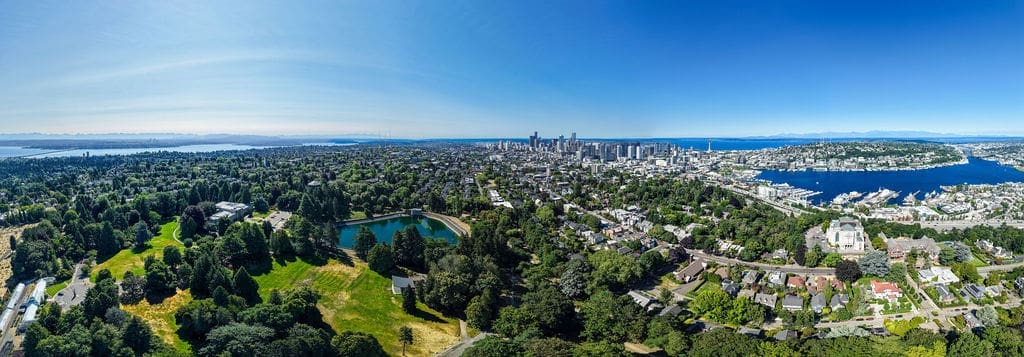
The Future of the Seattle Skyline Isn't Racing Upward
Let me say the honest part first. Seattle's new housing pipeline has slowed sharply. According to KUOW, the city issued a little over 2,000 permits for new housing units in the first half of 2026, down from nearly 13,000 in all of 2021. This deceleration mirrors broader regional macroeconomic factors, including shifts in tech sector growth and housing correlation across King County. A group called the Seattle Housing Roundtable says more than 30 projects in the pipeline could get built soon if certain fee relief passes.
Why does that matter if you're buying or selling a home? Because supply shapes price. Fewer new homes arriving tends to support the value of the homes already here. It also means the skyline you see in five years may look a lot like today's. Full stop.
Even a famous example shows it. The Langham Seattle, a planned Belltown hotel and residences tower, was once scheduled to open in 2026. According to Wikipedia, the opening has since been pushed to 2030. That's one project, not the whole market, but it tells you the tone.
Office Buildings Becoming Homes
You're right that there's interest in turning unused office space into housing, and the numbers explain why. CBRE reports downtown Seattle's office vacancy reached 35.4% in the second quarter of 2026, per KING 5, though the same report noted the first decline in vacancy since early 2020, driven partly by AI companies and changing corporate mandates like Amazon’s RTO policy and its real estate impact.
Seattle's draft Downtown Regional Center plan calls for adding at least 13,500 housing units downtown by 2044, and it names office-to-residential conversion as one strategy. The city also runs an official Office to Residential Conversion Program with a sales and use tax deferral for owners of underused commercial buildings.
Here's where I'd adjust the picture, though. Conversions are hard. Floor plates are deep, plumbing has to be added, and costs run high. The city's Office of Planning and Community Development has said that without state and local incentives, there would be zero conversions of 10 or more units downtown, per Smart Cities Dive. City officials told KING 5 in August 2026 that five conversion projects are in the works, and the city's own study found about 10% of unused downtown office space could be a candidate.
One more correction to the assumption: the projects I found are rental apartments, not condos. A conversion to condos is possible, but I didn't find a Seattle one in the pipeline. If you're a condo buyer waiting on conversions, don't hold your breath. For buyers evaluating existing inventory near urban cores, explore our dedicated South Lake Union guide or our Seattle Area Guide. I'll flag the buildings I want to follow in a future update.
Interested in Seattle Condos Right Now?
Skip the wait. I've broken down the established buildings worth your attention and the paperwork to check first.
Read: Best Luxury Condos in SeattleEasier Permits: What Actually Changed
You mentioned work on easing building codes and permits. Here's the specific news. On August 19, 2026, Mayor Katie Wilson announced Executive Order 2026-4, which creates a Residential Permitting Interdepartmental Team and a Housing Production Task Force, per the Mayor's Office. The team brings together Seattle's construction, transportation, utilities, light, and fire departments, with a designated contact in each so problems get resolved earlier.
Why now? Per the Department of Construction and Inspections (SDCI), large multifamily projects take 374 days to reach permit issuance against a 180-day goal, while middle housing takes about 117 days against a 60-day target. Wilson also recently signed State Environmental Policy Act reform into law, per The Urbanist.
A caution: an executive order directs how departments work. It doesn't flip a switch. The city's own fee-relief proposal, which would temporarily cut Mandatory Housing Affordability fees, hit a snag in July and is still being debated. I'd call this direction, not results, and I'll update this post as numbers move.
Single-Family Lots Becoming Townhomes
This is the one you can see from your car. Seattle's new Neighborhood Residential zoning took effect January 21, 2026, implementing Washington's HB 1110. It allows middle housing citywide, with a minimum of four units on all residential lots and six near transit, per the Seattle Metropolitan Chamber of Commerce. If you've noticed this shift across local neighborhoods, check out our analysis on why townhomes are dominating Seattle new construction.
In plain English: a lot that used to hold one house can now hold townhomes, stacked flats, or a mix. Seattle's land is boxed in by Puget Sound and Lake Washington, so infill is how the city grows. That's why you see a house come down and a row of townhomes go up.
I've owned a townhome, a condo, and several single-family homes, so I've lived the tradeoffs. Townhomes can be a smart middle path: more space than a condo, less upkeep than a big lot. But no two are built the same.
Here's what I would say about that: new construction is not automatically better. Walk it, ask about the warranty, look at the shared walls and the HOA documents, and compare the price per square foot against what's around it.
What This Means for Buyers and Sellers
If you're buying: expect townhomes to be the most available new product in Seattle neighborhoods. If you're comparing options, I wrote about Ballard townhomes vs. single-family homes. For condos, read the building's paperwork early. Here's how to review a Seattle resale certificate.
If you're selling a single-family home: the new zoning may change what your lot is worth to a builder. That doesn't mean sell, and it doesn't mean your lot qualifies for the same outcome as the one next door. It means get the zoning conversation on the table before you price. If you own a townhome, I covered how to stand out in a crowded market.
If you're watching prices: supply is one piece of the puzzle, along with rates and jobs. My take on where Seattle prices are heading is in will Seattle home prices drop in 2026.
Seattle's skyline is changing more through retrofits and infill than through new towers. Office conversions are real but small, permitting reform is underway but unproven, and new zoning is putting townhomes on lots that once held a single house. With new housing permits well below 2021 levels, the pipeline is thin right now. Live well, Real Estate better.
Frequently Asked Questions
Are office buildings in Seattle being converted to housing?
Yes, but slowly. City officials told KING 5 in August 2026 that five office-to-residential conversion projects are in the works. Most conversions so far are rental apartments rather than condos, and the city relies on tax incentives to make them financially workable.
Is Seattle making it easier to get building permits?
Yes, Mayor Katie Wilson signed Executive Order 2026-4 in August 2026 to speed residential permitting. It creates an interdepartmental permitting team and a Housing Production Task Force. Large apartment projects currently take about 374 days in city review against a 180-day goal, so the results are still ahead.
Can a single-family lot in Seattle now have multiple homes?
Yes, Seattle's Neighborhood Residential zoning, effective January 21, 2026, allows at least four homes on residential lots and up to six near transit. This implements Washington's HB 1110 middle housing law. What a specific lot can actually hold depends on its size and local standards, so check with the city or a local agent first.
Is new housing construction slowing down in Seattle?
Yes, new housing permits in Seattle are far below earlier levels. According to KUOW on September 16, 2026, the city issued a little over 2,000 permits for new housing units in the first half of 2026, compared with nearly 13,000 in all of 2021.
Wondering What Zoning Means for Your Seattle Property?
Whether you're buying a townhome or sitting on a lot with new options, let's look at your situation together. I'll meet you exactly where you are.
Talk to Aaron