New Construction Trends in Seattle: Why Are All the New Homes Townhomes?
New Construction Trends in Seattle Townhomes: Why Are All the New Homes Townhomes?
Everywhere you look, multiple townhome units are going up where one single-family home used to stand. Here's the math behind that, and why some buyers are starting to look the other direction.
Why Seattle's New Construction Is Mostly Townhomes
- Land cost comes first. Buying the land is an expensive starting point for any project, regardless of the condition of the existing house.
- Lot coverage and height rules shape the box. Seattle limits how much of a lot can be built on and how tall a structure can go, which pushes builders toward a specific, repeatable footprint.
- Standardization cuts cost and time. Builders use the same materials and the same building teams across projects to build quickly and predictably, which is exactly why so many townhomes look alike.
- Regulations just got more permissive, not less. Seattle's zoning update under the One Seattle Plan increased allowed lot coverage, height, and unit counts, which will likely accelerate this pattern further.
If you've driven through just about any Seattle neighborhood lately, you've seen it. Where one single-family home used to sit, there are now three or four townhome units standing in its place. There's a few specific reasons that's happening everywhere you look, and understanding them explains a lot about where Seattle's housing stock is headed.
The Three Reasons Behind Seattle Townhomes Wave
This has to do first with the cost of land in Seattle. It's a very expensive start to any project just to buy the land, regardless of the condition of the existing house on it. Second, Seattle has strict rules on the amount of land that can be used on a plot to construct a home, known as lot coverage. Third, there are height restrictions depending on the neighborhood.
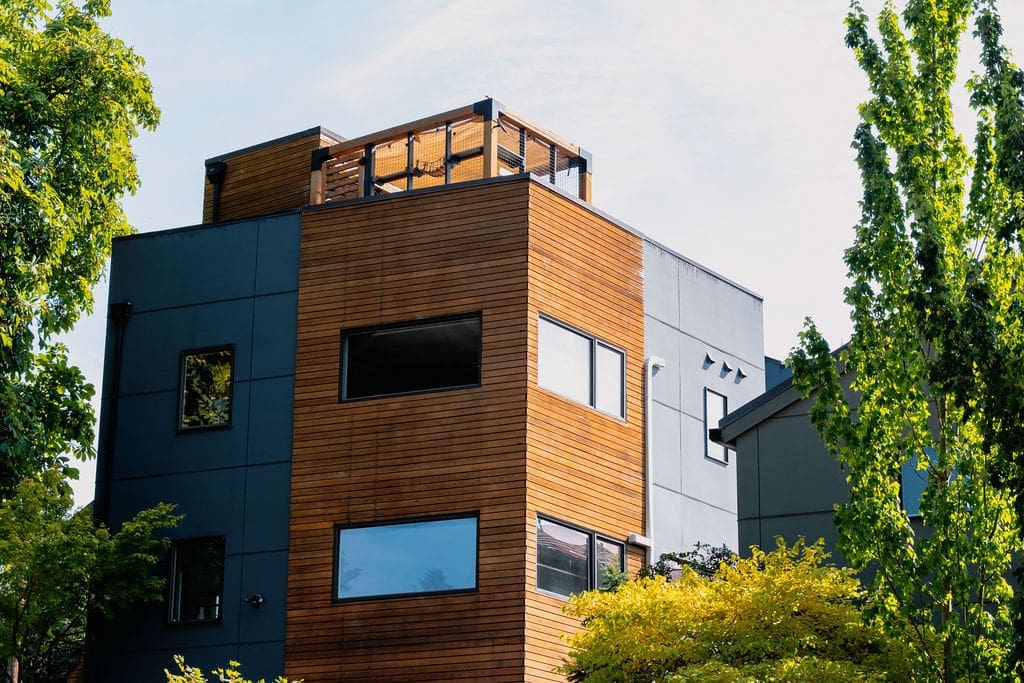
Put these together and what builders have figured out is not the most architecturally interesting or intriguing design of homes. Instead, they're building what some would call "cookie cutter" townhomes. They meet all the requirements, use the same materials to cut down on costs, and typically use the same building teams that can construct the units quickly.
Seattle's Zoning Rules Just Got More Permissive
Here's a piece of context worth knowing as you read the rest of this: the zoning rules behind that math just changed, and not in the direction you might expect. Under Seattle's One Seattle Plan, adopted to comply with Washington's HB 1110 middle housing law, the city's prior Neighborhood Residential rules, which capped lot coverage around 35% and height at 30 feet, with minimum lot sizes running 5,000 to 9,600 square feet depending on zone, have been loosened considerably.
Seattle's Updated Neighborhood Residential Standards
According to official documents from the City of Seattle Office of Planning and Community Development (OPCD), the updated rules increase lot coverage to 50 to 60 percent, raise the height limit to 32 feet (roughly 3 to 4 stories), and cut the minimum lot size to as low as 1,250 square feet. The ordinance also requires at least 4 units be allowed on every residential lot citywide, and at least 6 units near major transit stops or where affordable units are included.
- Minimum lot size dropped from 5,000-9,600 sq ft to as low as 1,250 sq ft
- Lot coverage increased from roughly 35% to 50-60%
- Height limit increased from 30 feet to 32 feet (3-4 stories)
- At least 4 units allowed per lot citywide, 6 near transit
In other words, the regulatory squeeze that originally pushed builders toward a standardized, maximize-every-inch design is, if anything, loosening further. That's likely to mean more units per lot going forward, not fewer, and not necessarily more architectural variety.
If you're a homeowner selling a single-family home on a lot in a Neighborhood Residential zone, this update is worth understanding before you list. Depending on your zone and lot size, your property may now support significantly more density than it did even a year ago, which can meaningfully change its value to a builder.
Why the Sameness, Specifically
This has led to what feels like a whitewashed, similar townhome everywhere in the city, and on top of that, builders fit as many units onto a lot as possible. It's not that builders can't design something more interesting. It's that the fastest, cheapest, most repeatable path to a profitable project is the one that gets built over and over, project after project, block after block.
Zoning figures per the City of Seattle Office of Planning and Community Development, current as of the 2025-2026 One Seattle Plan rollout. Permit fee figure per Seattle Agent Magazine's reporting, citing economist Matthew Gardner; confirm against the city's own budget documents for client-facing use.
One illustrative example of the pattern: a West Seattle project recently built six 800-square-foot homes on a single 5,500-square-foot lot, reported by a local NBC affiliate as part of coverage on Seattle's housing updates under HB 1110. That's not every project, but it's a good snapshot of the math builders are now running on far more lots than they could before.
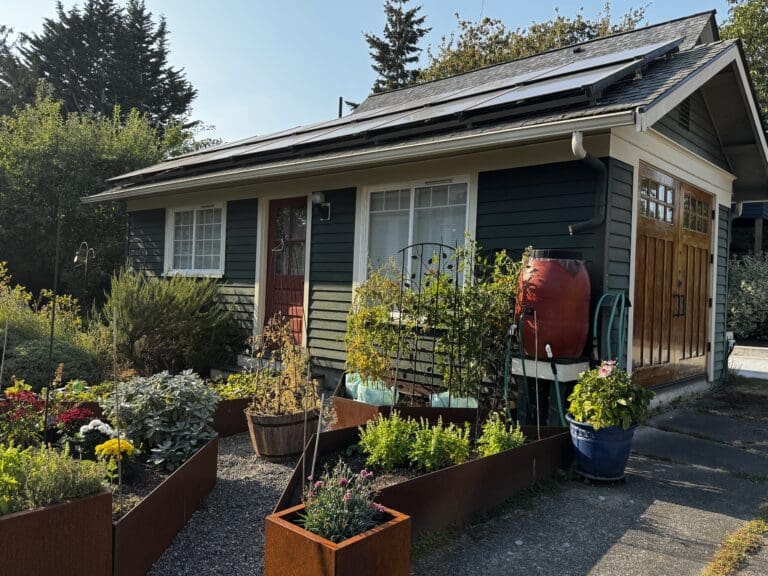
What my buyers are starting to look for is escaping that sameness. They want potentially smaller, single-story or rambler homes that they can feel uniquely suit their style and needs. It's a real shift I'm seeing on the ground, buyers who could technically afford a new townhome instead choosing an older, smaller home with actual character, specifically because it doesn't look like every other unit on the block.
Weighing New Construction Against an ADU or a Fixer?
If you're trying to figure out whether a townhome, an ADU-equipped property, or a smaller existing home makes the most sense for your situation, I've laid out the tradeoffs.
Read: Single-Family vs. ADU vs. Multifamily in Washington StateWhat My Buyers Are Starting to Look For Instead
Here's what I'd say about this to anyone shopping new construction in Greater Seattle right now: the townhome wave isn't going anywhere, and with the zoning changes outlined above, it's likely to keep building. But I'm increasingly working with buyers who have priced out a townhome, toured a few, and decided they'd rather have something smaller and less polished that actually feels like theirs. A rambler with character, a single-story layout that doesn't require climbing three flights of stairs to get to the primary bedroom, a floor plan that isn't shared, nearly identically, with the five units next door.
If you're a homeowner weighing whether to add an ADU to your existing property instead of selling to a builder outright, that's worth exploring too, especially given how much more flexible the ADU rules have also become under this same wave of zoning updates. I've covered that in more detail here: ADU Laws in Washington State: What Homeowners Need to Know to Maximize Property Value.
What to Know If You're Buying New Construction
- Shared walls and HOA structure. Most new townhomes share at least one wall and come with an HOA. Understand the dues and what they cover before you commit.
- Builder track record. Standardized building teams move fast. Confirm the builder's history on past projects, not just the finishes on the model unit.
- Lot coverage maximized means less yard. With coverage now running up to 50-60%, expect minimal outdoor space on most new townhome lots.
- Resale comparables are still thin in some areas. If a style of unit is brand new to a block, pulling true comps can be harder. Factor that into your offer strategy.
The townhome wave in Seattle comes down to simple math: expensive land, lot coverage and height rules that reward a repeatable design, and standardized building teams that can execute that design quickly. Recent zoning changes have made that math even more favorable for builders, not less, so expect more of this, not fewer. If sameness isn't for you, there's still a real market for smaller, single-story homes with actual character, and I'm seeing more buyers ask for exactly that.
Frequently Asked Questions
Why are so many new homes in Seattle townhomes?
New homes in Seattle are overwhelmingly townhomes because of three factors: expensive land costs, zoning rules that limit lot coverage and height, and the cost savings builders get from standardized materials and repeat building teams. Together, these incentives push builders toward a repeatable, efficient design rather than custom architecture, resulting in multiple similar-looking townhome units replacing single-family homes.
Is Seattle's zoning making townhome construction easier or harder?
Seattle's zoning is making townhome and middle housing construction easier, not harder, as of the 2025-2026 One Seattle Plan update. According to the City of Seattle, minimum lot sizes dropped to as low as 1,250 square feet, lot coverage limits increased to 50-60%, height limits rose to 32 feet, and residential lots citywide must now allow at least 4 units, or 6 near transit, under the city's compliance with Washington's HB 1110 middle housing law.
What is House Bill 1110 and how does it affect new construction in Seattle?
House Bill 1110 is a 2023 Washington State law requiring cities, including Seattle, to allow middle housing types like townhomes, duplexes, fourplexes, and cottage housing on lots previously zoned exclusively for single-family homes. Seattle's compliance legislation, part of the One Seattle Plan, took effect in phases starting June 30, 2025, and requires at least 4 units be allowed on most residential lots, or 6 units near major transit stops or with affordable housing included.
Are Seattle home buyers moving away from townhomes?
Some Seattle buyers are actively seeking alternatives to new-construction townhomes, favoring smaller, single-story, or rambler-style homes with more individual character instead. This is a buyer preference trend observed directly in the field by agents working with home buyers in Seattle, not a citywide sales statistic, but it reflects a real response to the visual sameness of recent townhome development.
Will new construction in Seattle get more architecturally diverse?
There's no strong evidence that new construction in Seattle is headed toward more architectural diversity in the near term. Recent zoning updates have made it easier and more profitable to build maximum-density, standardized projects, which reinforces rather than discourages the current pattern. Buyers who want more architectural individuality are increasingly looking at smaller existing homes instead of new-construction townhomes.
Weighing New Construction vs. an Existing Home?
Let's figure out whether a new townhome, an ADU-equipped property, or a smaller existing home actually fits what you're looking for.
Talk to Aaron