Selling a Historic Home in Seattle: How to Market Charm Without Hiding Age
Selling a Historic Home in Seattle: How to Market Charm Without Hiding Age
Old doesn't mean outdated. Here's how to market a historic Capitol Hill or Madison Park home the right way, without pretending it's something it's not.

- Seattle's Two Big Building Booms
- The Building That Sold Seattle a House by Mail
- What "Aging" Actually Means vs. What's Timeless
- The Data: Buyers Are Actually Seeking This
- How to Market Charm Without Hiding Age
- Selling a Historic Home in Seattle
- The Bottom Line
A lot of the homes I work with in Seattle were built during one of two boom periods: the roaring growth of the 1920s, or the post-World War II building surge that filled in so much of the city's residential fabric. These homes carry real history, and in neighborhoods like Capitol Hill and Madison Park, that history often comes wrapped around genuinely high-value real estate. The question I get from sellers with these homes is almost always some version of the same thing: how do I market the age of this house without it reading as outdated?
The Building That Sold Seattle a House by Mail
Here's a piece of Seattle history that connects directly to this conversation. Starting in 1912, Sears built a massive mail-order distribution center in the SoDo neighborhood at 2401 Utah Avenue South, the same building that's now Starbucks' world headquarters. By the time construction wrapped up in 1915, it was one of the largest buildings west of the Mississippi River, though it functioned as a regional catalog fulfillment hub rather than a corporate headquarters. A retail storefront didn't actually open on the site until 1925.
From that catalog, and from Sears distribution centers like it around the country, you could order almost anything you'd shop for on Amazon today, except it arrived by rail instead of by van. Including, remarkably, an entire house. Sears sold complete kit homes through its Modern Homes catalog from 1908 to 1940, with bungalow-style kits typically running somewhere in the $650 to $2,500 range depending on size and finish, a $1,200 bungalow kit being a solidly representative example of what a modest family could order and build themselves.
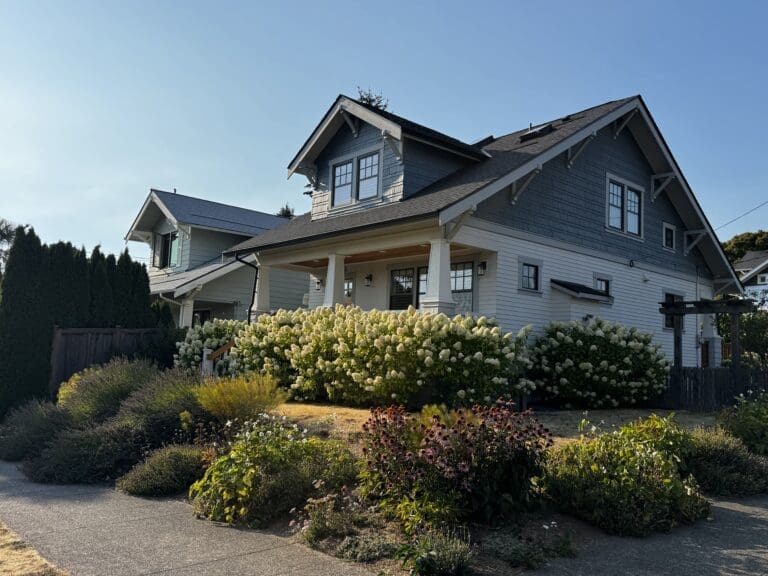
Some of those exact homes are still standing in Seattle neighborhoods today. Small by modern standards, but built with materials and craftsmanship that would be genuinely difficult to reproduce at any price point now.
What "Aging" Actually Means vs. What's Timeless
This is the mental shift that matters most when selling an older home. A feature reads as "aging" when it looks tired or neglected. It reads as "timeless" when it's presented as exactly what it is: a level of craftsmanship modern builders don't have the materials, budget, or in some cases the expertise to replicate. Old-growth fir floors, plaster walls, leaded glass, quarter-sawn oak built-ins, deep window casings. None of that is a flaw to apologize for. It's a genuine differentiator, and it's not available to a buyer shopping new construction at any price.
I love old houses. This isn't a marketing angle I reach for because it sounds good. I'm always happy to talk through how to get the most value out of one of these homes, in a way that respects what it actually is and sets it up to be loved by whoever owns it next.
Selling an Older Home in Seattle?
Let's talk through what makes your specific home genuinely rare, and how to present that honestly to the right buyer.
The Data: Buyers Are Actually Seeking This
This isn't just a nice story sellers tell themselves. There's real buyer demand behind it. According to Zillow engagement data cited by Forbes in 2026, homes with Victorian architecture draw roughly 19% more buyer interest than average, Tudor-style homes see about a 14% boost, and bungalow-style homes, exactly the kind Sears was selling by mail a century ago, see roughly 11% more engagement. Buyers are actively drawn to original character, not despite its age, but because of it.
Buyer engagement figures per Zillow data cited in Forbes, May 2026. Average home age at purchase per Redfin MLS data analysis as of 2024, the most recent figure available at time of writing. Individual buyer behavior varies by market and price point.
How to Market Charm Without Hiding Age
Here's the practical version of all this. Marketing an older home well means leaning into what's real, not covering it up.
- Photograph original details on purpose. Built-in china cabinets, leaded glass, original hardware, and picture rail molding deserve their own shots, not just a wide-angle living room photo that happens to catch them in the background.
- Write the listing copy honestly. Say the home was built in the 1920s or in the post-war era. Buyers who want this style are searching for it specifically, and vague or evasive copy actually works against you with this audience.
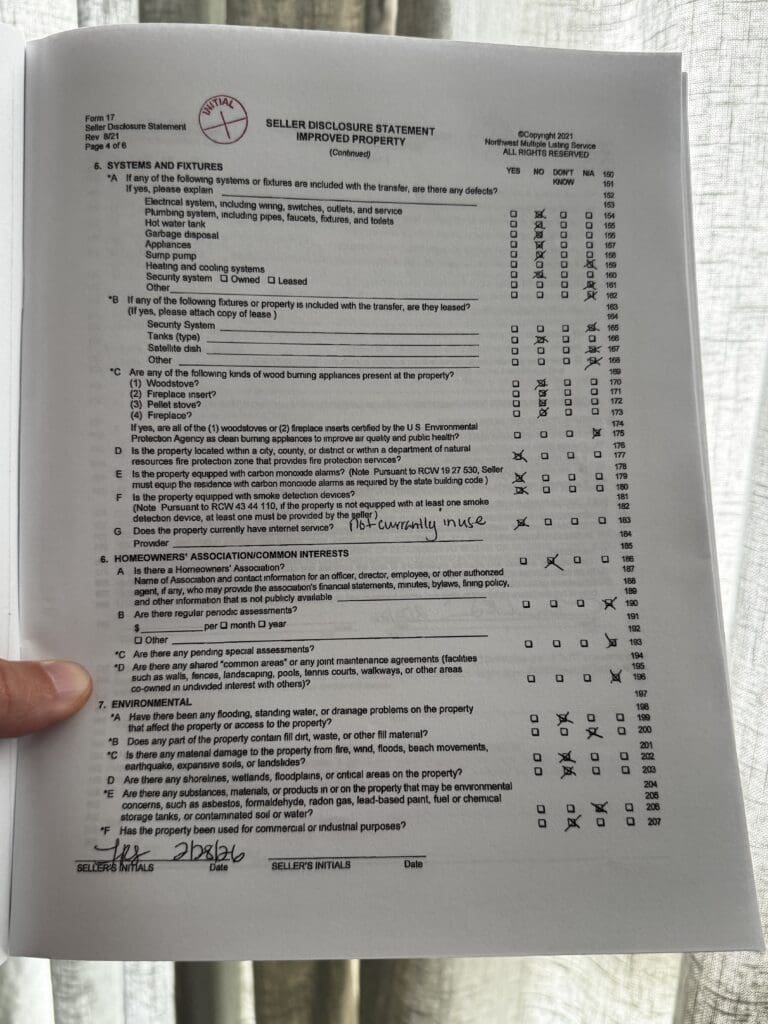
- Address the practical concerns up front. If there's knob-and-tube wiring, a single bathroom, or a foundation that's had work done, disclose it clearly and, where possible, pair it with documentation of what's already been addressed. Buyers drawn to character homes are usually prepared for this trade-off. Surprising them late in the process is what kills deals, not the age itself.
- Highlight what can't be replicated. Old-growth lumber, plaster walls, and hand-finished woodwork are genuinely rare inputs today. Say so plainly in the listing.
Resist the urge to flatten a period home into generic modern neutral. A soft, historically appropriate color palette, sage, cream, deep navy, warm terracotta, does more for these homes than the same gray-on-gray palette used everywhere else. Furnish with a few genuinely vintage or vintage-adjacent pieces rather than an entirely modern staging set. The goal is a buyer walking in and feeling like the house is being honest about what it is, not performing a version of a home built twenty years ago.
Selling a Historic Home in Seattle
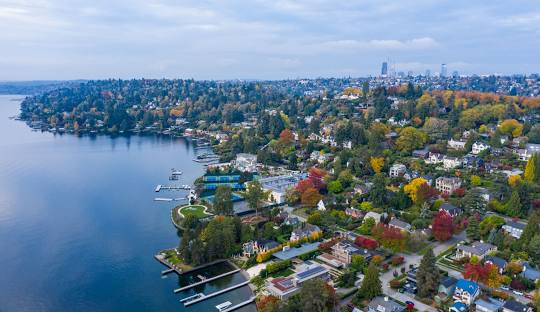
Both of these neighborhoods carry a meaningful concentration of the exact housing stock this post is about. Capitol Hill's own historic mansion districts, particularly around Volunteer Park and the Harvard-Belmont landmark area, sit alongside the neighborhood's newer condo development, which makes the contrast between old and new especially visible to buyers touring the area. Madison Park's quiet, established housing stock tells a similar story on the lake side of the city, where turn-of-the-century homes sit on streets that were never built for high traffic in the first place. (If you want to understand the distinction between the ultra-luxury lakefront and the more city-chic inland blocks, my guide on Madison Park vs. Madison Valley breaks it down).
In both markets, the buyer pool skews toward people who already understand and want this style. The marketing job isn't convincing them character homes have value. It's making sure your specific home's character comes through clearly in the photos, the copy, and the walkthrough. The same underlying principle applies whether you are weighing Capitol Hill vs. Queen Anne for a prestige purchase, or preparing a luxury Queen Anne listing for the market: honest presentation outperforms an attempt to disguise a home as something it isn't.
Older homes in Seattle, whether they trace back to a 1920s Sears catalog kit or a post-war Craftsman, hold real and increasingly sought-after value. The features that read as aging on the surface, original woodwork, plaster walls, period details, are the same features that modern construction simply can't reproduce at any price. Market that honestly, stage it thoughtfully, and disclose what needs disclosing, and a historic home in Capitol Hill or Madison Park can compete with, and often outsell, anything newer nearby.
Frequently Asked Questions
Sell an old house by presenting its original details honestly rather than disguising them. Photograph built-ins, leaded glass, and original woodwork intentionally, use listing copy that states the home's actual age and style, and stage with a period-appropriate color palette instead of generic modern neutrals. Buyers actively seeking historic character respond to homes that look confidently like what they are, not homes trying to pass as newer construction.
Yes. Per Zillow engagement data cited by Forbes in 2026, homes with Victorian architecture see about 19% more buyer interest than average, and bungalow-style homes see roughly 11% more engagement. Redfin's analysis of MLS data also found the average age of a home purchased by an American buyer reached 36 years as of 2024, suggesting genuine and growing demand for character and craftsmanship over strictly new construction.
Historic Seattle homes, many built during the 1920s boom or the post-World War II building surge, often feature materials and craftsmanship that are difficult or prohibitively expensive to reproduce today, including old-growth lumber, plaster walls, leaded glass, and hand-finished built-ins. Buyers increasingly value this kind of detail and individuality over the more uniform finishes common in new construction, which supports strong demand for well-preserved historic homes in neighborhoods like Capitol Hill and Madison Park.
Yes, disclose known issues clearly and early, including outdated electrical systems, limited bathroom count, or prior foundation work. Buyers who are actively shopping for historic character are typically prepared for these trade-offs and often see them as part of the package, but surprising them late in a transaction is what damages deals, not the age of the home itself. Pairing disclosures with documentation of any completed repairs or upgrades helps build buyer confidence.
Ready to Talk Through Your Historic Home's Value?
Whether it's a Capitol Hill Craftsman or a Madison Park estate, let's build a marketing plan that respects what your home actually is.
Talk to Aaron